
Nelly Hachem-Ruiz
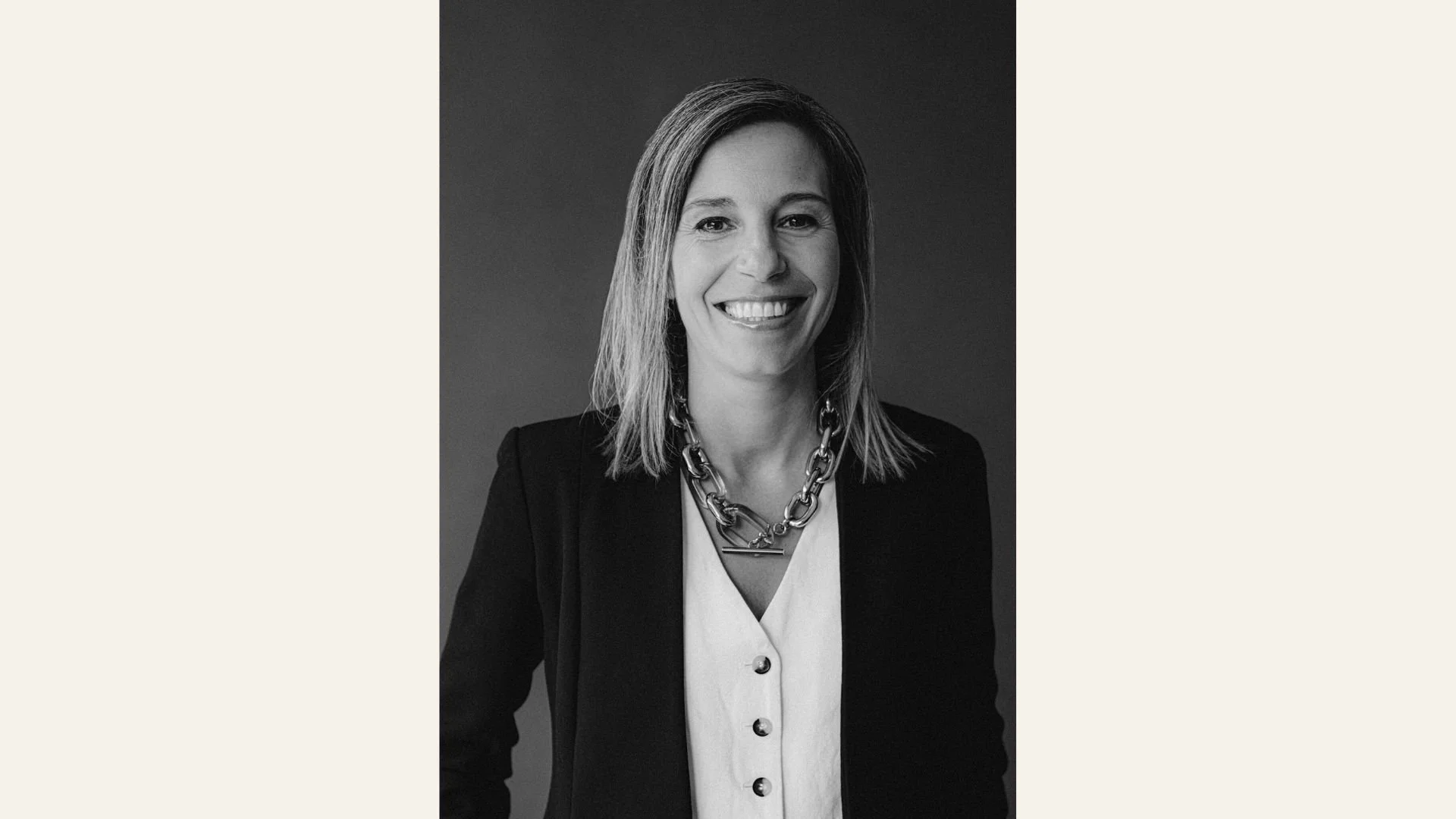
For Nelly Hachem-Ruiz, ‘happiness is perfume.’ (And can’t we all identify with that?) Paris-born, Nelly’s family was originally from Syria, before they settled in the French capital, with her grandparents becoming ‘the very embodiment of Parisian art de vivre.’
After graduating from Le Havre University, Nelly began her perfumery training at [IFF International Flavors & Fragrances], where she began as a fragrance analyst, rising through to ranks to become trainee, then junior perfumer, ultimately assuming her current title of Senior Perfumer.
Nelly has worked for prestige and designer brands including Giorgio Armani Privé, Lacoste, 4711 and David Beckham, and among her latest creations is Contes des Parfums Marrakesh, for the travel-inspired fragrance house, which puts its perfumers front and centre on the beautiful packaging (see below left). Inspired by the vivid swirl of scents in that city, it is a textured olfactory portrait of Morocca via spices including cinnamon, nutmeg, cardamon, nutmeg, settling into cedarwood, vanilla and Moroccan leather.
When does your day start?
I’m not a morning person but I do like to drop my kids at school every day. My breakfast consists of raisins, almonds and chestnuts and a glass of water and then I take the Métro and start my day at work. I usually have an iced cocoa latte coffee there and I like to chat with the people around.
How does your day break down?
I am mostly focused in the morning, especially for olfactive evaluations and creative work. Then afternoons are often dedicated to project reviews, meetings, modifications, and development discussions.
How many fragrances might you be working on at one time?
Usually between 10 and 20 projects which are all at different stages of development.
“‘I find inspiration everywhere: nature, travel, architecture, art, music, food, and conversations. Sometimes simply stepping outside for a walk helps refresh my perspective’”
How do you work?
The creative idea always starts in my mind, but I use both digital formulation tools and written notes for composition. Then, together with my lab assistant, we bring the formula to life and refine it.
Do you break for lunch?
Yes, I usually go to the gym and then continue the break with a quick lunch with my colleagues. It’s a good way to disconnect briefly and recharge.
What will the afternoon be spent on?
My afternoons are often filled with evaluations, fine-tuning formulas, briefing discussions, and reviewing project progress.
When does the working day end, for you?
I usually leave work around 6 - 7pm. Even after leaving the office, ideas continue to evolve in my mind – perfumery doesn't entirely switch off.
What kind of other inspirations do you look for, during your day?
I find inspiration everywhere: nature, travel, architecture, art, music, food, and conversations. Sometimes simply stepping outside for a walk helps refresh my perspective.
“‘Moodboards help translate abstract ideas, emotions, colours and textures into olfactive directions’”
Do you have to be in a particular mood to create?
Not necessarily. Curiosity is more important than mood. Staying open and receptive allows creativity to flow.
How long does it take from concept to finished fragrance, in general?
It varies greatly, but generally anywhere from several months to more than a year.
Do you listen to music while you work?
Always. I enjoy different kinds of music depending on the mood!
Is a visual moodboard helpful for you to create?
Yes, very much. Moodboards help translate abstract ideas, emotions, colours and textures into olfactive directions.
What is the most number of modifications you’ve ever had to do, on a fragrance? And the least?
Some projects require dozens to hundreds of modifications, while others feel right after only a few adjustments. Every fragrance has its own journey.
How many materials do you have at your fingertips, to work with?
Thousands of materials are available today, but my regular palette probably consists of a few hundred ingredients that I know particularly well.
How much of your time is spent on your own creations – new accords, etc.?
A significant part of my week is dedicated to experimentation, discovering ingredients, and creating accords that may later become part of future fragrances.
What is the one fragrance you wish you had created?
It’s difficult to choose just one, but I deeply admire fragrances that have shaped the history of perfumery through both creativity and timeless elegance – in particular, the category of Chypre.