
On The Scent… of NEWS: fragrance becomes an art form (in more ways than one)
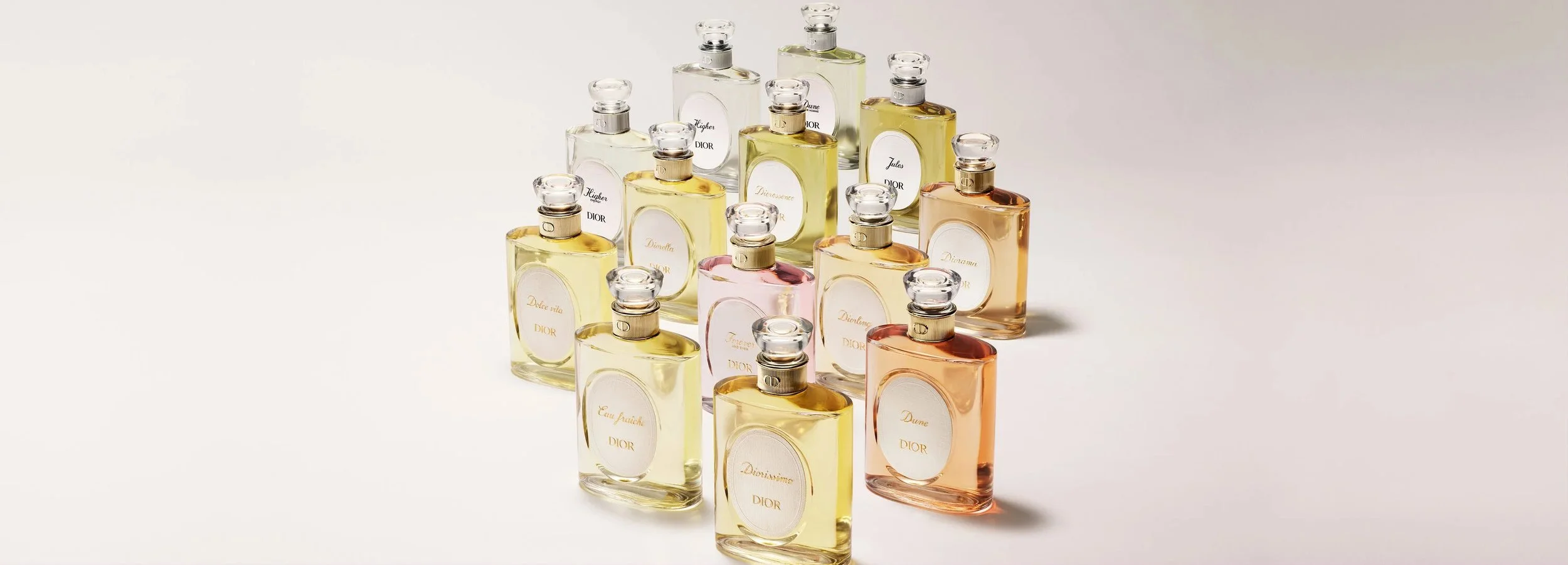
We’re the ‘Antiques Roadshow’ of scent this week, with a collectible art vibe running through our newshound Amanda Carr’s report, which spans Dior’s restoration of its fragrance heritage to perfumer Sarah McCartney’s suggestion that the rules of art collecting could apply to perfume. (And we also bring you some actual art involving antique Yardley packaging…)
Dior restores its heritage with the Dioriginals Collection
Despite what some brands might claim, classic/heritage fragrances only rarely smell the same as their modern day counterparts. Restrictions on ingredients, costs and modern views around animal ingredients mean that many classic scents have been reformulated, sometimes taking them well away from their OG olfactory personality.
But at Dior, perfume creative director Francis Kurkdjian has returned to the original formulations of thirteen of Dior’s most iconic heritage perfumes, to restore them as accurately as possible to the originals. These Dioriginals will permanently replace the current formulations on sale.
M. Kurkdjian explains that ‘a perfume should be cherished and looked after like a fragile work of art that’s subject to the vagaries of time’. Echoing art restoration work, the cleaning up of the scents has involved new technology and ingredients to recreate the original subtlety, richness and radiance.
Fans of the original Eau Fraîche, Diorissimo, Diorling, Diorama, Diorella, Dioressence, Jules, Dune, Dune Pour Homme, Dolce Vita, Higher, Forever and Ever and even Higher Energy – one of Dior’s younger creations, from 2003 – should start saving now, as the brand brings back lost treasures to the Dioriginal collection. Even the bottles have been returned to the oval shape, designed in 1948 by Serge Heftler-Louiche.
We’ve written before about the current nostalgia for classic styles. This feels an honest acknowledgement that the originals still have a lot of milage left in them.
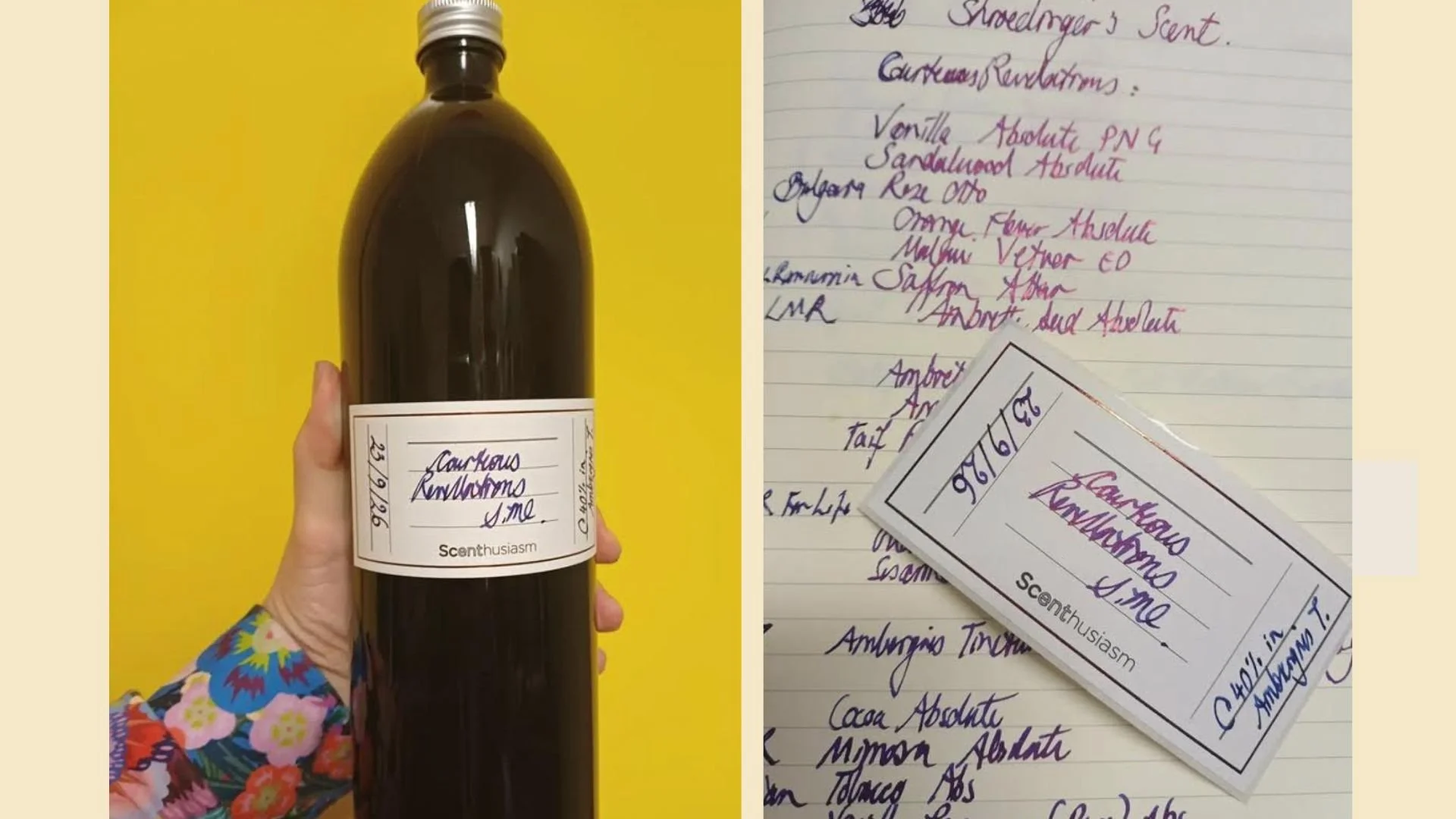
4160 Tuesdays Courteous Revellations, with the hand-written recipe from Sarah McCartney
Fragrance as collectable art? Courteous Revellations at 4160 Tuesdays
We love perfumers who challenge the way we think about scent. For 1st April 2026, Sarah McCartney posted on LinkedIn about a fragrance she might make, using 60% 2018 ambergris tincture, matured for 8 years, alongside a 40% fragrance concentrate made with beautiful – some irreplaceable – materials, including vanilla absolute made from 12-year aged pods. The five bottles would each be priced at £20,000.
LinkedIn’s resident bot removed the post, declaring it ‘spam’ (it reinstated it once Ms. McCartney explained to the bot the concept of 'April Fools’). But Ms. McCartney, interested in the growing vintage perfume collectibles market and how we perceive fragrance, has now made that exact perfume, named Courteous Revellations. (And yes, that’s Revellations with two Ls.)
‘A good number of people have told me I'm bonkers for doing this,’ she told us, ‘but it's partly to provoke some questions. It's usually the packaging that raises the price; this time I wanted it to be the perfume.’
Could such a perfume come to be considered in the same category as vintage wine, or whisky? Could it be as precious as an artwork? It’s certainly rare enough; Sarah has made just 800mls, using the very valuable ingredients she wrote about. With a global fragrance audience that is expanding rapidly, does fragrance have the potential to become big in this type of collectibles market?
Watch – and sniff? – this space.
Paris gets green and scented
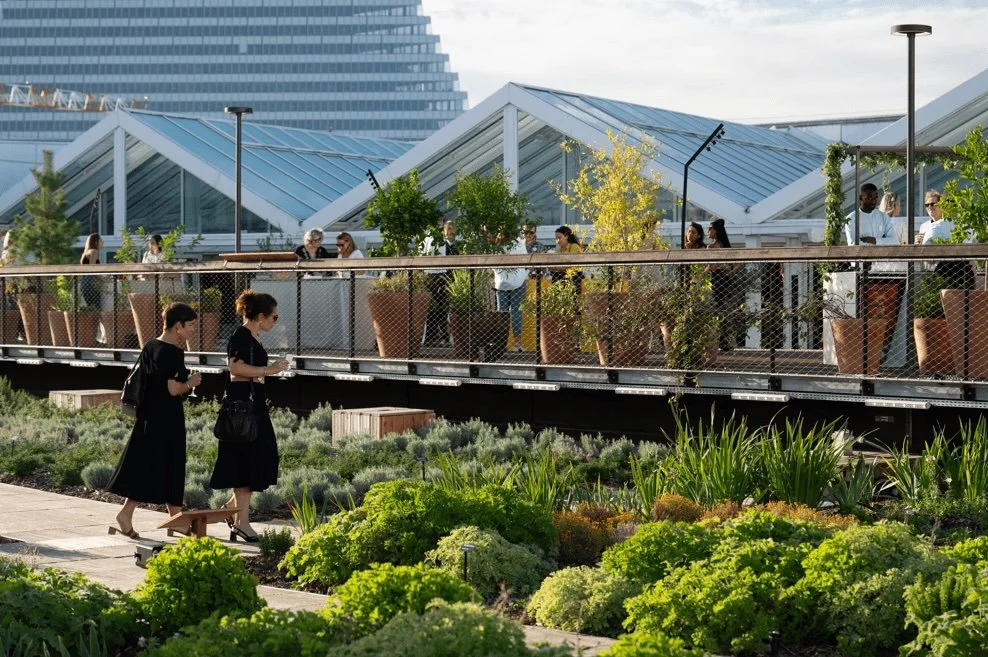
An interesting development at the Paris Expo Porte de Versailles, where Pavilion Hall 6 (specifically The Greenhouse event space) has opened Jardins des Parfums (above), a new roof garden created entirely around fragrance ingredients. Now, tired exhibition attendees can revive themselves by being immersed in a display of fragrant plants and botanicals, while taking in a glorious view of Paris.
The concept has been created to celebrate the extraordinary fragrance heritage of Grasse, a collaboration between scent creative agency Resperfuma and Paris Expo owners Viparis, along with the Grasse Agglomeration Community and the International Perfume Museum. For the launch, workshops by Robertet and Fragonard were held, with plans for scent workshops and discovery walks to be offered regularly.
The design features 88 plant species laid out in six major olfactory families – aromatic, spicy and woody, floral, citrus, fruity and white flowers. The gardens highlight the heritage of perfumery with most of the botanicals either used in perfumery, or with important aromas found in scent.
The On The Scent team has spent many, many hours in exhibition halls over the years and the idea of being able to visit a scented garden at any point of the day to boost flagging spirits and energy levels is massively appealing!
Celebrating Yardley heritage with Anthony James Hughes
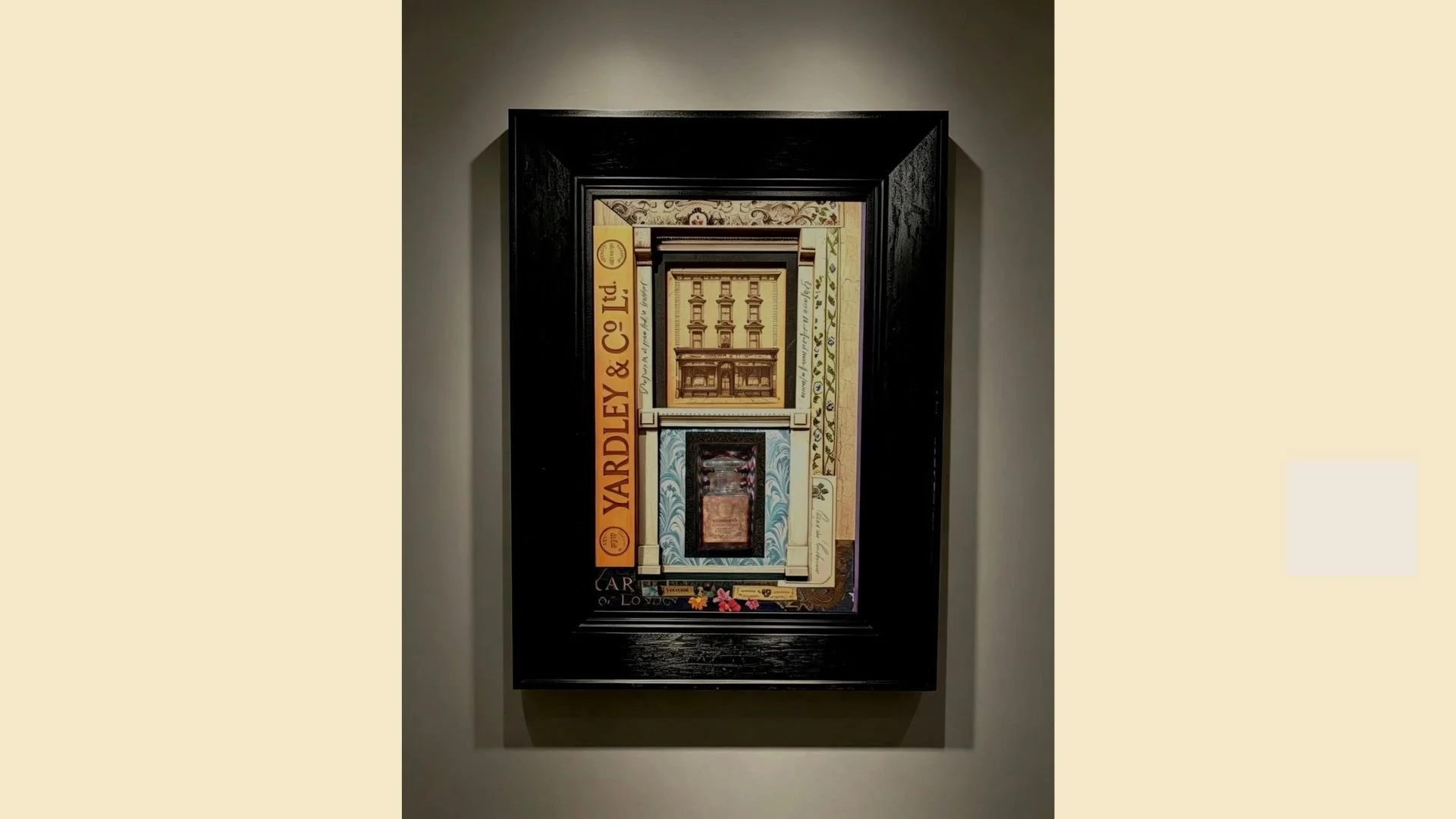
Freelance assemblage and paint artist Anthony James Hughes has created something rather lovely with an assortment of vintage Yardley perfume packaging. Using authentic fragments of Yardley 19th century perfume labels, full of Victorian floral colour detail and typography, he has created a layered collage of beautiful vintage illustration and design.
He has set this against a hand engraving of Yardley’s original No. 8 New Bond Street store, topped off with an original bottle of Eau de Cologne, circa 1910. The bottle still retains a tiny drop of the scent, creating an olfactory art piece that Mr Hughes says ‘…Reads as both and archival preservation and contemporary homage to Yardley’s long standing place in London’s commercial and aesthetic history’.
Mr Hughes has created a charmingly thoughtful celebration of Yardley’s botanical heritage and style, aligning it with great Edwardian and Victorian architecture, while also elevating perfume’s position from simple ‘beauty product’ to one with an artfully significant heritage. Perhaps another reason to hang onto not just our fragrance bottles, but also the packaging that comes with it!
Instagram: @antonyjameshughes
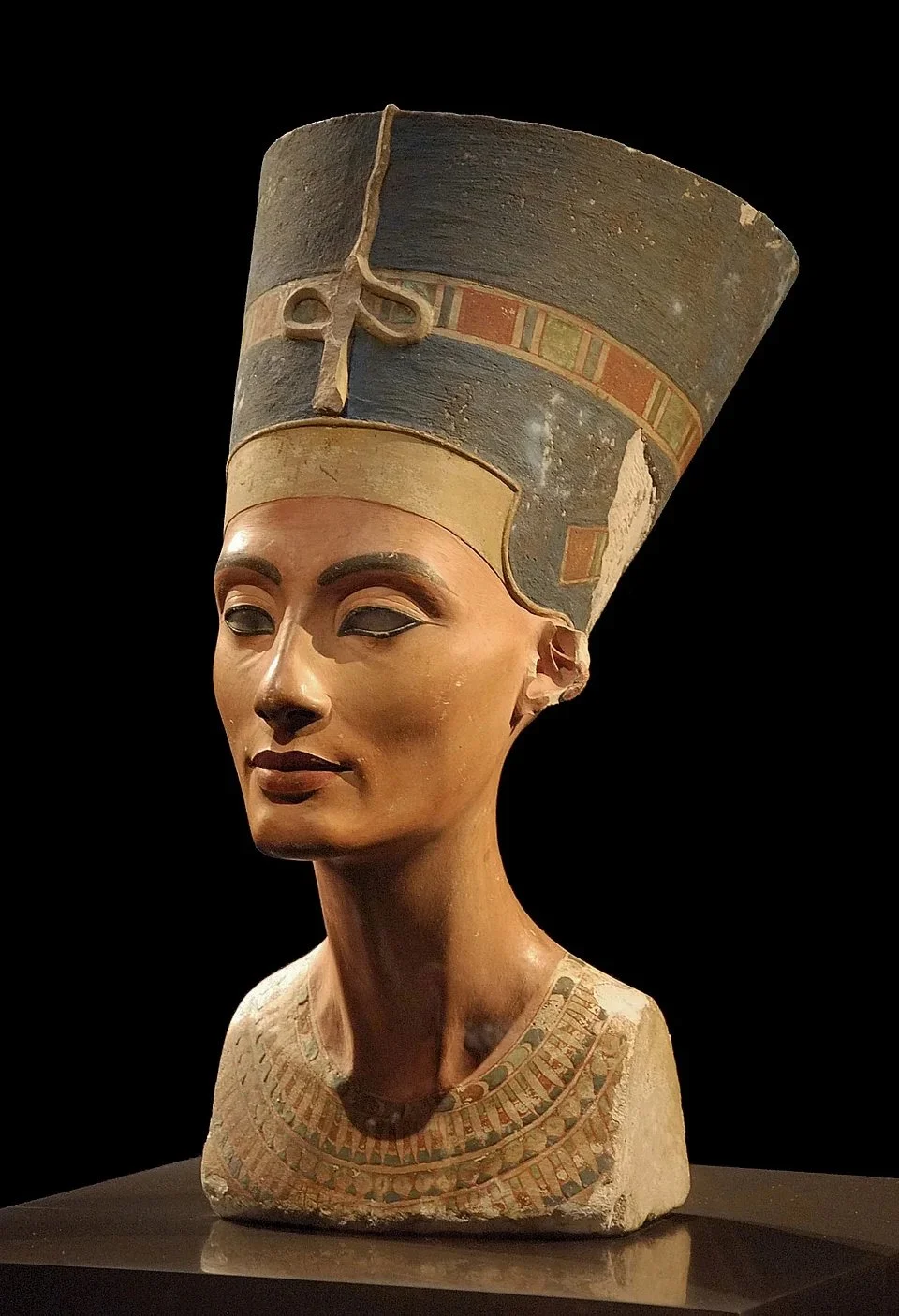
Queen Nefertiti (IMAGE: WikiCommons)
Finally… did you know?
News this week indicates Egyptologists may have found Nefertiti’s tomb tucked behind that of Tutankhamun. While we wait for news, it reminded us that Egyptian Queen Cleopatra was a big fan of the seductive powers of scent. As well as dyeing her barge’s sails purple, to inject some va–va–voom into her attempt to seduce emperor Mark Antony, she also scented them and herself with kyphi, a royal incense oil.
Recipes differ, but kyphi was based around frankincense and myrrh, honey, wine or raisins, and aromatic herbs and spices – a blend which ensured you could smell Cleopatra’s fleet’s arrival well before you could see it.
Way to make an entrance…
