
What’s Up Down Under? A report from Australia’s Geelong Fragrance Fair
Gosh, it’s a busy time for fragrance shows. And while Italy’s a hop, skip and a jump from our London HQ, we were sadly unable to pop over to the recent Geelong Fragrance Fair, in Melbourne. Happily, Anthony Gardiner – materials producer and writer – made it over from New Zealand – and shares with On The Scent his discoveries and observations of the fast-growing and dynamic Antipodean fragrance market
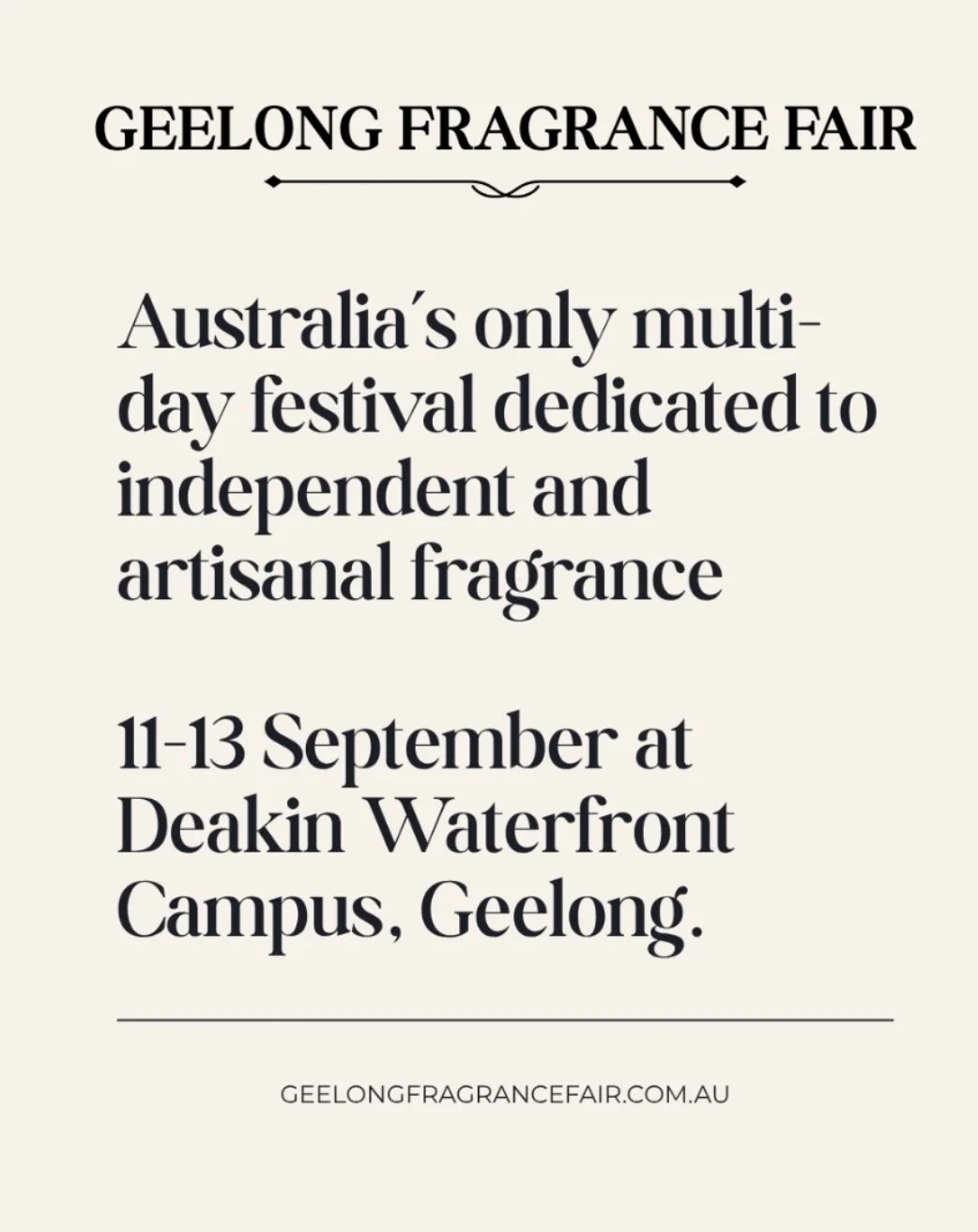
What is happening within the Australian independent fragrance industry?
As a producer of fragrant materials from New Zealand, I was hoping to get some insights from the Geelong Fragrance Fair [GFF26], established by Paperback Perfumes podcast host Clare Presser, and now in its second year, having expanded from one day in 2025 to a full three-day programme in 2026.
Australian fragrances certainly seem to be having a moment in the sun. Of the 29 brands exhibiting at the GFF26, seven were Art and Olfaction finalists, with two winners. Proportionally, that would be like having about 80 brands at Esxence being recognised by the Oscars of independent fragrance.
So what’s up Down Under?
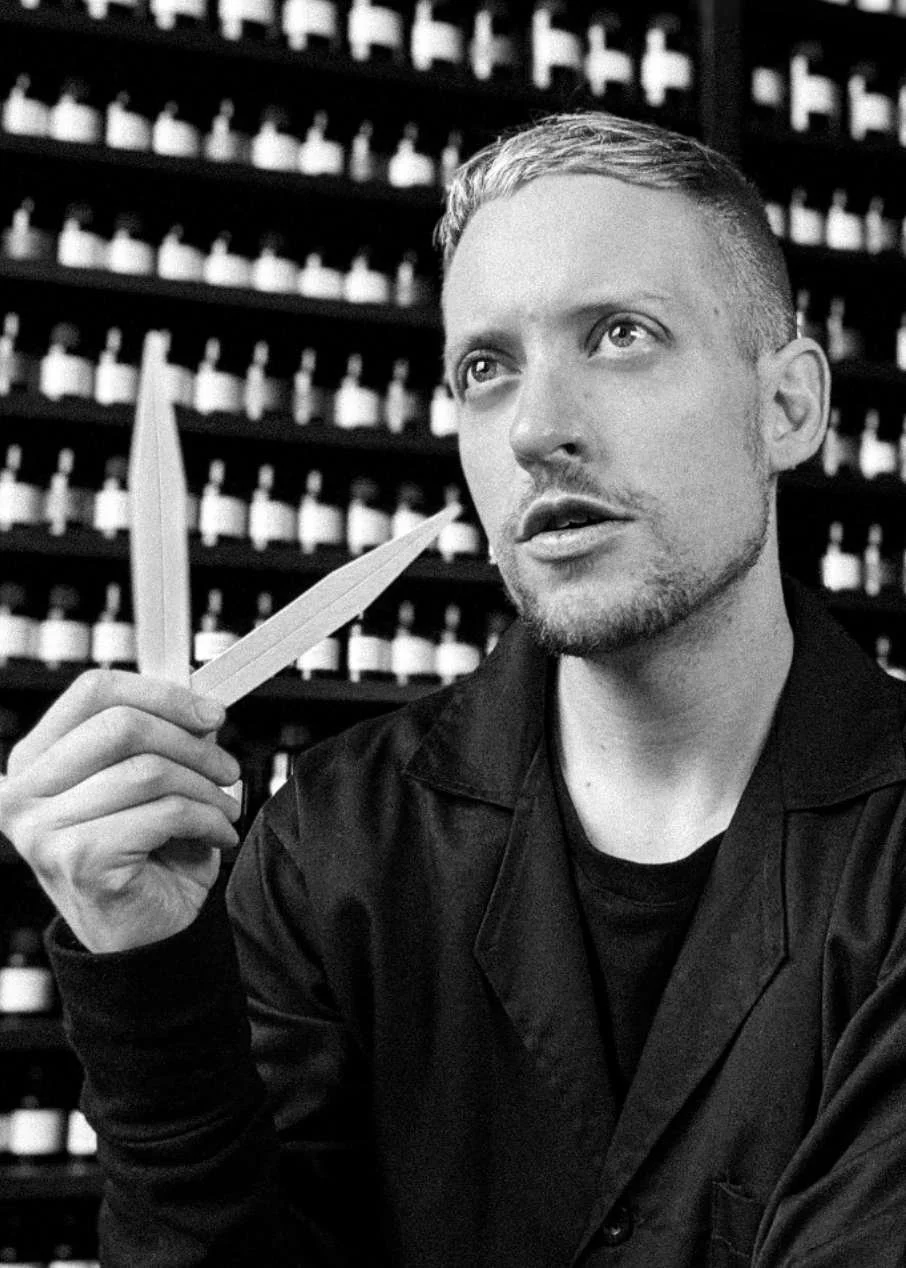
Michael Nordstrand of New York-based fragrance creation consultancy, Mythologist Studio, who gave the Fair’s opening address
A growth in consumer chat
The internet and social media have changed the way we discover things. The shows we watch, the music we listen to, and the subjects we are interested in, all have passionate communities that gather on the internet in deep discussion. No matter who your people are, you can find them on the internet. As consumers, we no longer need to like what programming directors or marketing departments tell us to like.
Fragrance is one of the interests where many passionate people have found each other and are going narrow and deep. Consumers have discovered somewhere to talk about perfume in ways that they simply couldn't, 15 or 20 years ago. They dissect ingredients, compare formulations, hunt down obscure brands and tell each other what they have discovered.
In the internet age, discovery is arguably the most important form of social currency. The people engaged in fragrance communities want to share something the rest of the gang hasn’t smelled before. But perhaps more than that, they want something that tells a story that they feel connected to. Increasingly these communities are not looking to department stores for these stories.
Don’t get me wrong; the art at Duty Free can be incredible, in the same way ‘The Sopranos’ is an incredible TV show. But today’s consumers increasingly want their art – from TV shows and movies to music, and especially perfume – to feel unique and personal. (Even though they then want to immediately share their esoteric discovery with the widest possible group of people. They want to be different, just like everyone else. People, huh?)
Michael Nordstrand of Mythologist Studio (an independent atelier specialised in fragrance creation) spoke to this point in Friday night’s opening address for the Geelong Fragrance Fair when he said: ‘There has been a boom in independent perfumery around the world. The enthusiasm from the general public is palpable. They want more information.’
The access to information on the internet has also lowered the barrier to entry for new brands. As Corey from Criminal Elements put it to me, ‘There has been a democratisation of information. Formulas are available online, and AI can show you how other people have made great things. There are more techniques available.’
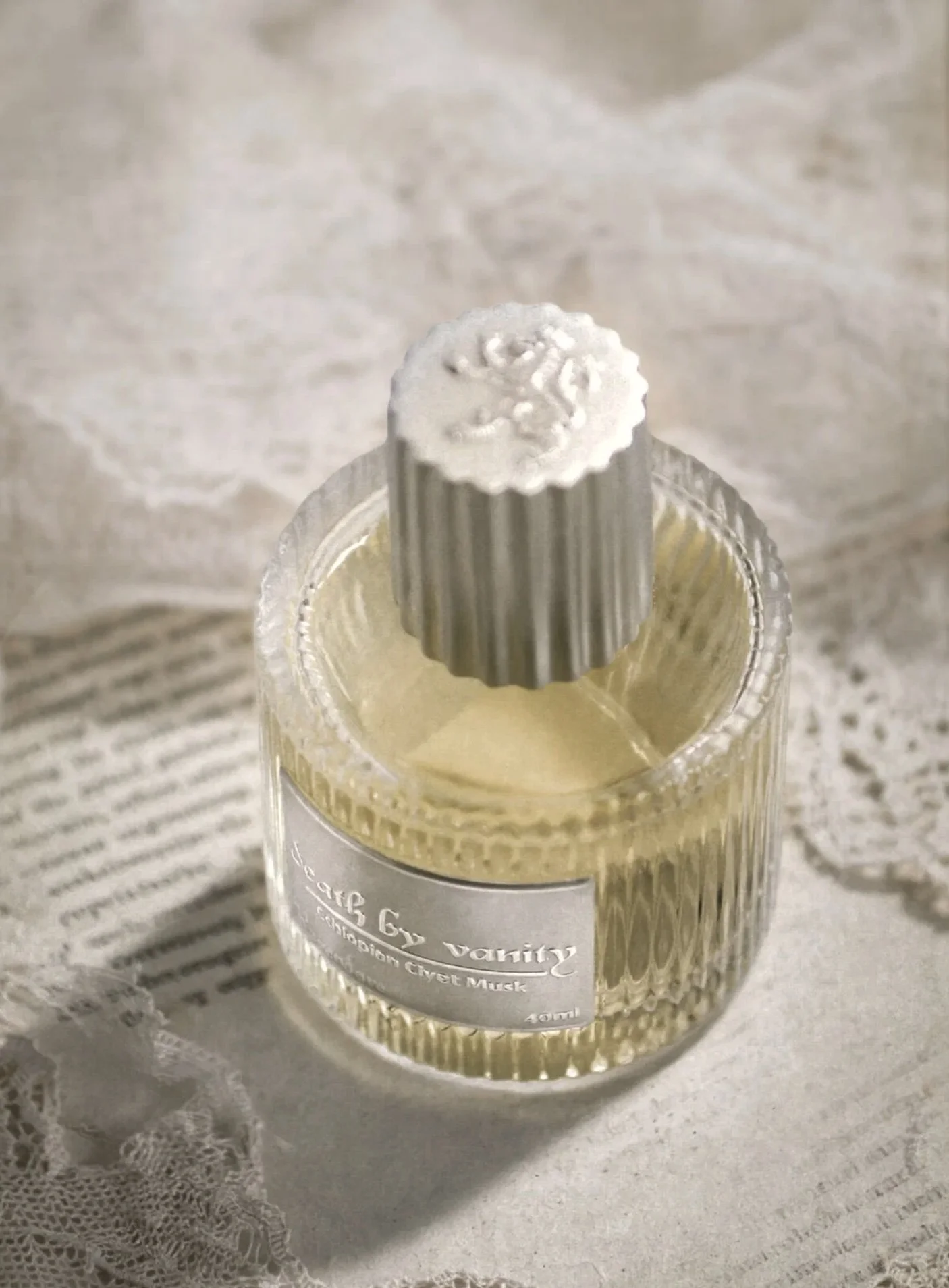
The Art & Olfaction Awards winning fragrance, Rivendare Death by Vanity
Is the tyranny of distance actually a blessing?
Access to knowledge has removed one barrier, but in Australia the ‘tyranny of distance’ was a theme that was mentioned by many perfumers. Being off the main trunk line means that access to materials has remained a challenge for most of the brands I spoke with at Geelong. But often, constraints can drive experimentation and creativity. Was this what was causing Aussie brands to be so much more visible at the moment? Or is it acting as a handbrake?
As Juliette Fournier and Richard Adamson from New South Wales-based HART + HEDI explained, ‘Initially we had a massive challenge accessing materials. We naively thought we could just buy stuff from the big fragrance houses. They said they would make our products for us, but they wouldn’t sell us the materials. Eventually we sourced some ingredients from Firmenich and spent four years having a play.’
These supply-side issues are not necessarily bad, though. As Michael Nordstrand noted, ‘The constraints are part of the reason we have a lot more creativity in indie. We don’t have as many resources so we have to be scrappy.’ Justin James of the story-led House of James agreed with this, saying he did not feel limited by issues accessing materials. ‘We use what we can find, and there is still so much to explore.’
“‘There is a diversity of output, in Australia, that echoes the diversity of output from the U.S., Vietnam, Thailand, China, Chile, Brazil and other places that are, also, far from Europe in both distance and culture.’”
The spirit of exploration has certainly resulted in some novel materials being used by the brands I met with. None more so than 2026 Art & Olfaction winner David Clarke, perfumer and founder of Rivendare Perfume. He set out to build a fragrance around a shrub that grew near his childhood home in Kununurra. The shrub, the Star of Kimberley (Calytrix exstipulata) produced an incredible aroma but had barely been used in fragrances. David reached out to an Aboriginal distiller in Northern Territory who had produced very small quantities and through him was able to scour the globe to secure essentially all the available supply.
But my initial reckon that the use of endemic ingredients was what made Aussie perfumes special was only part of the story, and not unique to Australia. As Saskia Wilson-Brown, Founder and Executive Director of The Institute of Art & Olfaction reflected: ‘There is a diversity of output, in Australia, that echoes the diversity of output from the US, Vietnam, Thailand, China, Chile, Brazil and other places that are, also, far from Europe in both distance and culture. Also, the tyranny of distance is not by any stretch unique to Australia. Perfumers in many other parts of the world might say the same – certainly folks here in the US have. However, being far from European expectations does indeed allow a sort of freedom, where folks can explore materials, combinations, and ideas in their own way.’
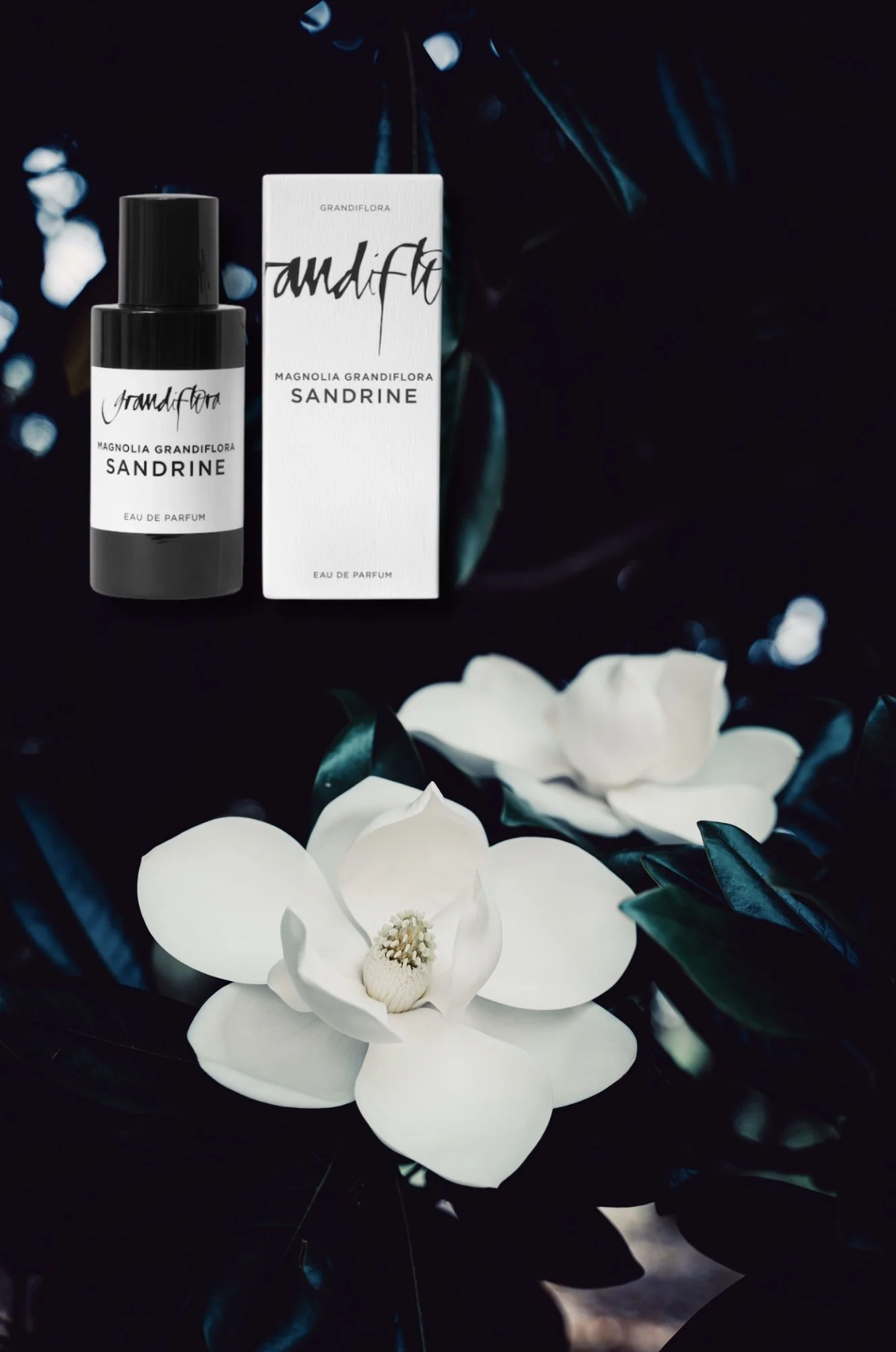
Sandrine, another Australian winner of the prestigious Art & Olfaction Golden Pear Award, from the Sydney-based, flower-powered fragrance brand Grandiflora
I’ve Got a Mate...
Of course, materials are not the only thing a successful fragrance needs to have access to. No matter the industry, it is the people who make the difference. And there is no denying that Australia is about as far as you can get from Grasse and Paris, and the expertise and networks based there. But here again I found a lot of nuance in how this affected the Australian fragrance producers.
One of Australia’s most commercially successful fragrance stories is Grandiflora. Saskia Havekes is another Art & Olfaction Golden Pear winner, for her fragrance Saskia, composed by Christophe Laudamiel. Saskia is an internationally recognised florist and author who initially only sought to create one fragrance, to ‘bottle magnolia,’ a notoriously short-lived bloom which most florists don’t touch.
One of the customers of Saskia’s florist shop was Michael Edwards, who created The Fragrance Wheel language for classifying fragrances. Through Michael, Saskia was introduced to New Caledonia-based perfumer Sandrine Videault. Sandrine jumped on a plane and was driven around ‘every magnolia tree in Sydney’ to get inspired. The launch of this perfume (Magnolia Grandiflora Sandrine) was again done with the help of friends, who loaned an apartment in Paris, and helped pull together a concert and other happenings.
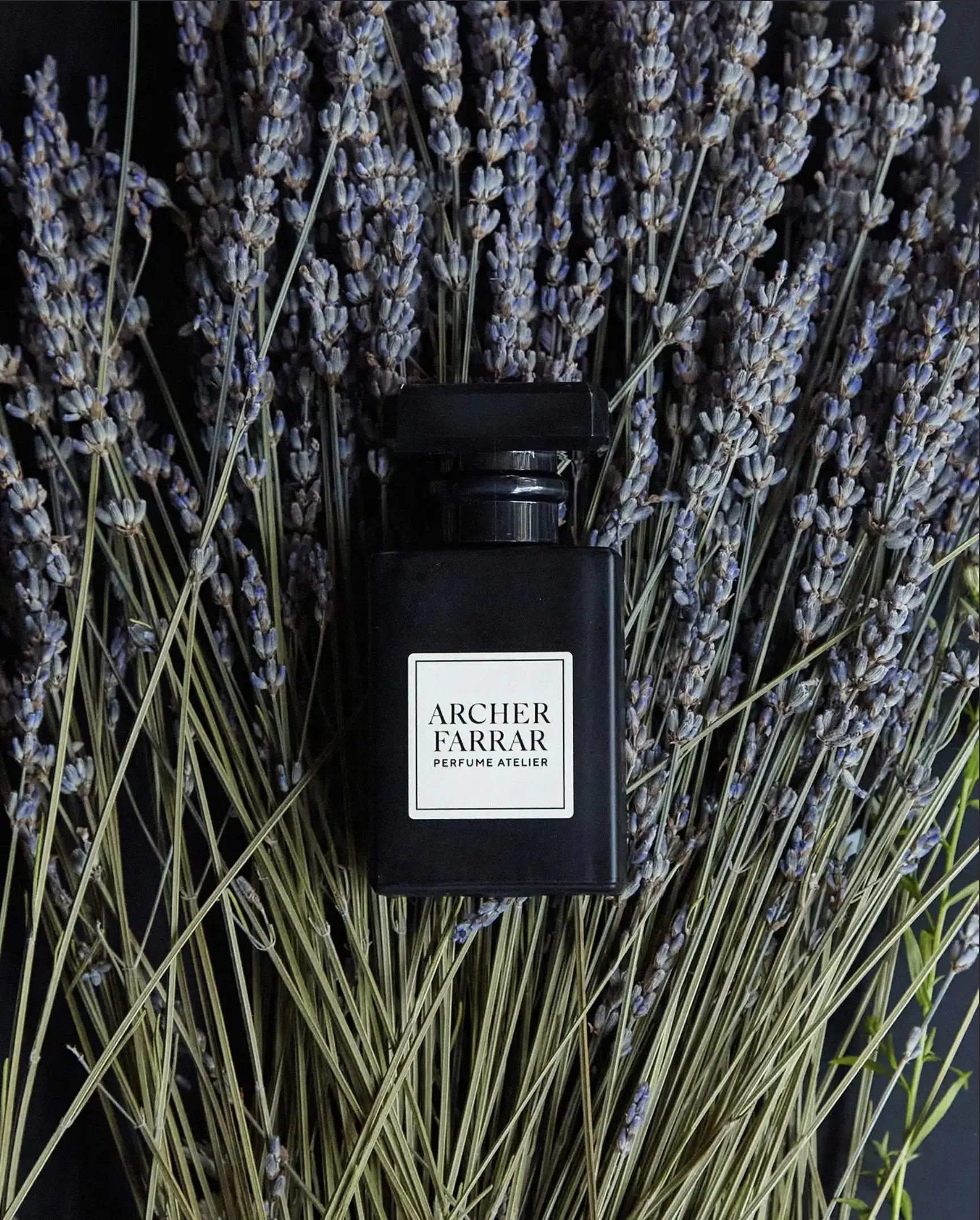
Sydney’s Archer Farrar, whose fragrances available to (non-bespoke) customers include Forest Balsam, Dark Cedar and Green Vetiver Oil
Michael Edwards (unknown to him, at the time) was also involved in the genesis of Archer Farrar Perfume Atelier. Perfumer-founder Katrina Cochrane explains that at the age of 14, she actually did a school assignment on this leading fragrance world figure – and it started her on the olfactory journey which today sees Katrina create bespoke natural fragrances for clients from her Sydney atelier.
Corey Newcombe, of Adelaide’s Criminal Elements also impressed upon me the importance of meeting the right person. Despite having an undergraduate degree in chemistry, he didn’t consider perfumery to be a career option until he ‘met a bloke doing it as a hobby’ in the small town they lived in. It is said that ‘you can’t be what you can’t see’, but over the last handful of years, far more Australians are seeing local perfume creators and realising they can give it a go too.
Another of Australia’s successful brands exhibiting at Geelong was Mihan Aromatics. They have witness this shift in the nine years they have been operating. When they started, if they told someone they made perfumes, the response was invariably “What?!?” Now, when they mention it to someone they say “oh yeah, cool!’
The network is growing, and these connections are leading to new opportunities, and more inspiration, even for those who have been-there-and-done-that. As Grandiflora’s Saskia Havekes put it ‘I am amazed at the growth of the Australian industry. The younger generation have inspired me deeply. They are putting their hearts and minds into it and I’m blown away. I couldn’t name anyone who was doing this in Australia in 2011, but now it is flooded with energy, youth, and enthusiasm.’
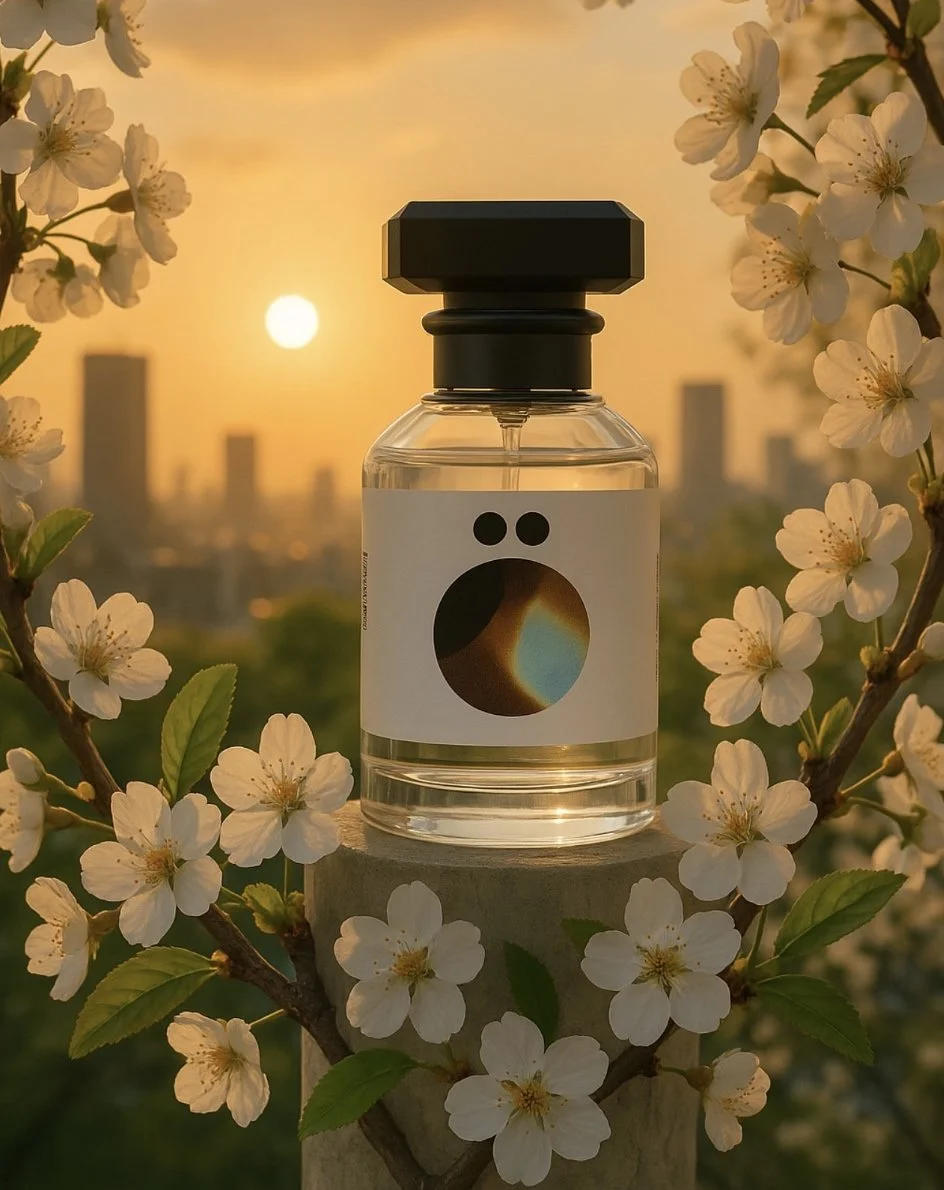
A standout fragrance for the writer, fresh-watery-floral 5AM from ÖRÖK Fragrances, founded to ‘share narratives of queer joy, diversity, adversity and resilience’
Aussie Aussie Aussie!
As the ecosystem grows and more Australian creators get involved, is there an Australian style emerging? Miccaeli Champness, fragrance writer and panellist from the Geelong Fragrance Fair, noted that the fragrances at the fair represented ‘the real Australia that we live in. Not kangaroos and the Outback.’ Fellow panellist Dr. Liam Sardea noted that ‘the best perfumes convey a perspective.’ And that was certainly evident in the fragrances I experienced at the fair. Every fragrance was a story, bottled from the viewpoint of the artist.
Among my standouts were:
• Herbarium by Elemental Aroma Lab
• 5AM by ÖRÖK Fragrances
• First Light by Valence
However, there was no discernable theme or structure to what I experienced at the fair – to me, at least, a non-nose. Perhaps the one major surprise was not what was there, but what was not. Having been at Esxence earlier this year, I was struck by the (almost) complete lack of gourmands at the Geelong Fragrance Fair. Those that were being presented, in general, very different in style from those in Milan.
My experience with most gourmands at Esxence was one of sweet warmth, fragrances that snuggle you and evoke a feeling of hygge. In contrast, the few gourmands at Geelong were... I want to say ‘big sky’ gourmands. They were built around sour, bitter, smoky notes with sweetness limited to a subtle, supporting role. They were bright and open, much like the majority of the Australians I have known. (A necessary disclaimer: I did not smell every fragrance at the Geelong Fragrance Fair, and unfortunately did not get to experience Hello Stranger’s new Mango Please, about which I heard excellent things)
The fascinating Batonebi from self-taught perfumer Troy Vu of Grimoire Parfums was an excellent example of the gourmands I experienced. Although built around the notion of a fresh glass of milk, yeast and bitter chocolate notes provide a sourness which I kept going back to over the weekend.
Perhaps it is Australia’s hot climate that is pushing its gourmands away from sickly sweet? Try eating a chocolate bar in a Bikram Yoga studio and you will understand what I mean.
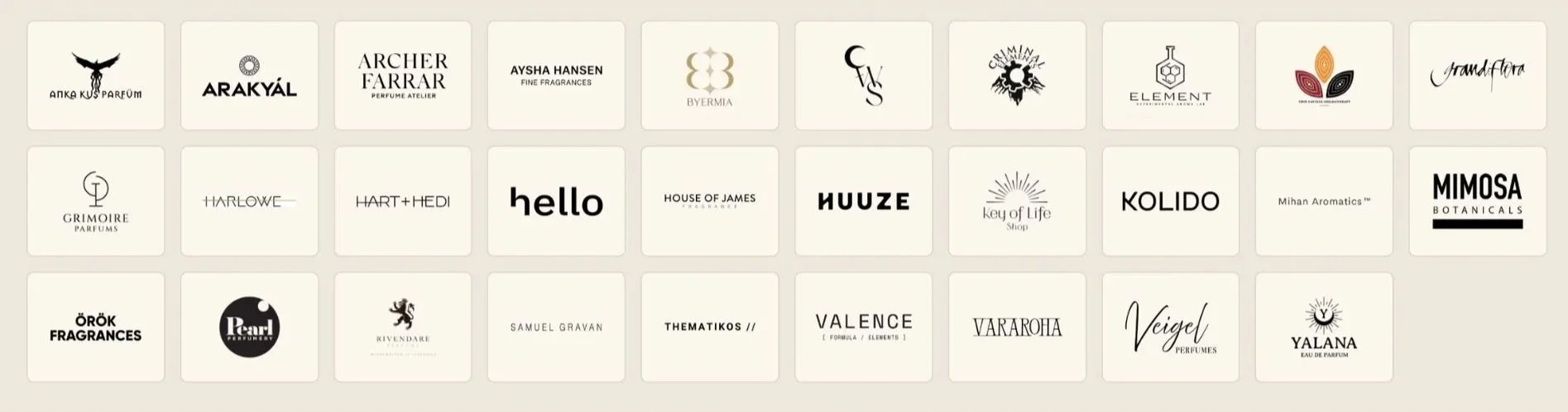
The full line-up of brands which were showing at the Geelong Fragrance Fair 2026
Many of the Australian people I’ve known over the years have been truly bright and open. And several people I spoke with when researching this piece have mentioned the importance of cultural viewpoints and attitudes in fragrance. Overall, in the absence of a common style, or a thematic approach uniting Australian fragrances, it is this cultural aspect that connected all the exhibitors.
As a Kiwi who has lived across the ditch from them for almost 50 years, I’ve observed that Australians have a kind of cultural chutzpah, a confidence that everything will all work out. They will give things a crack, accepting that if they get a bloody nose, it’s not the end of the world; it’s part of the learning process. But it’s more than a lack of fear. They have a belief in their abilities. (It’s why I hate watching New Zealand play against the Australian cricket team.)
Do you know which other culture has given me this impression of confidence and self-belief?
The French.
“‘Australians have a kind of cultural chutzpah, a confidence that everything will all work out. They will give things a crack’”
The Aussies know they are not French, though – and they are not trying to be, with their fragrances. This isn’t giving France the middle finger in any way. though. As Saskia Havekes said of her early days, ‘it was almost inappropriate, then. to think you could go over to France and be recognised. But now we are getting our own knowledge and our own ingredients. It’s almost inevitable that we will get more awards and recognition.’
Having spoken to both the originators and the new school coming through, it felt to me that although Australian perfumers have deep respect and admiration for the French artists (indeed, a handful of the perfumers in Geelong had trained there), they have become comfortable and confident in doing their own thing, creating their own spaces to inhabit rather than trying to force their way into traditional zones.
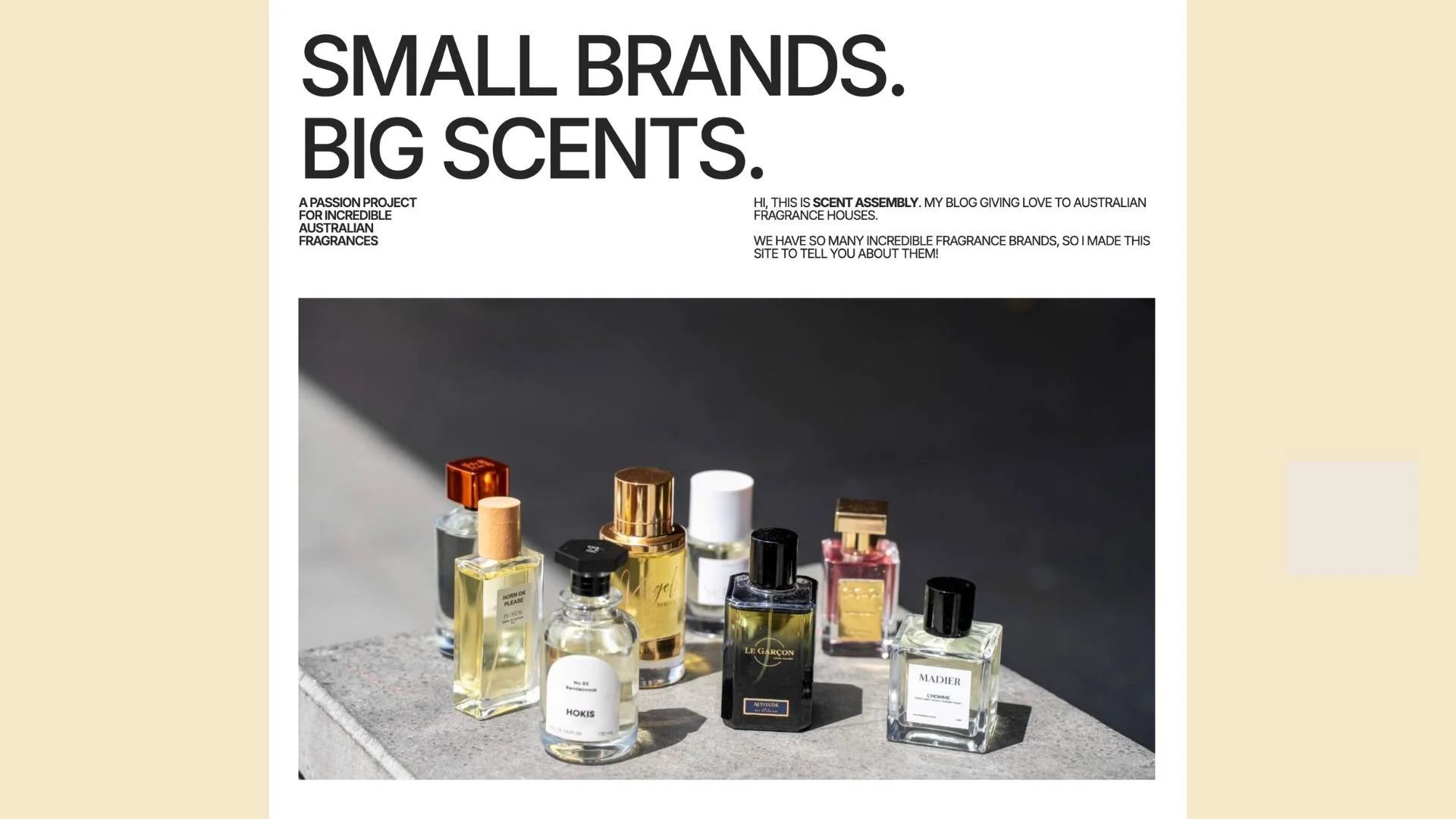
The home page of Scent Assembly, the blog by Michael Bromley which champions Australian independent fragrance houses and creators
Michael Bromley, the founder of Scent Assembly (the Australian fragrance platform which shines a light on small local perfume brands), said he loved the courage shown by the Australian indies, because ‘it takes a lot of guts to try something different.’ But perhaps Michael Nordstrand put it best when he said artists need to ‘f*ck around and find out.’
Australia has a proud history of experimentation, f*cking around with things to see what happens. As much as perfume is an art, it is also a science – and scientific breakthroughs are rarely accompanied by running naked through the street yelling ‘eureka!’ More often it is someone tinkering around and then saying ‘wow...that’s weird.’ As Kacey Kelly, founder perfumer from Huuze, says of her colour-and-mood-inspired collection (the name is a play on ‘hues’), ‘I wanted to make something different, something no one else had done before, something truly unique. Especially with dupe culture these days, everyone is just copying everyone else.’
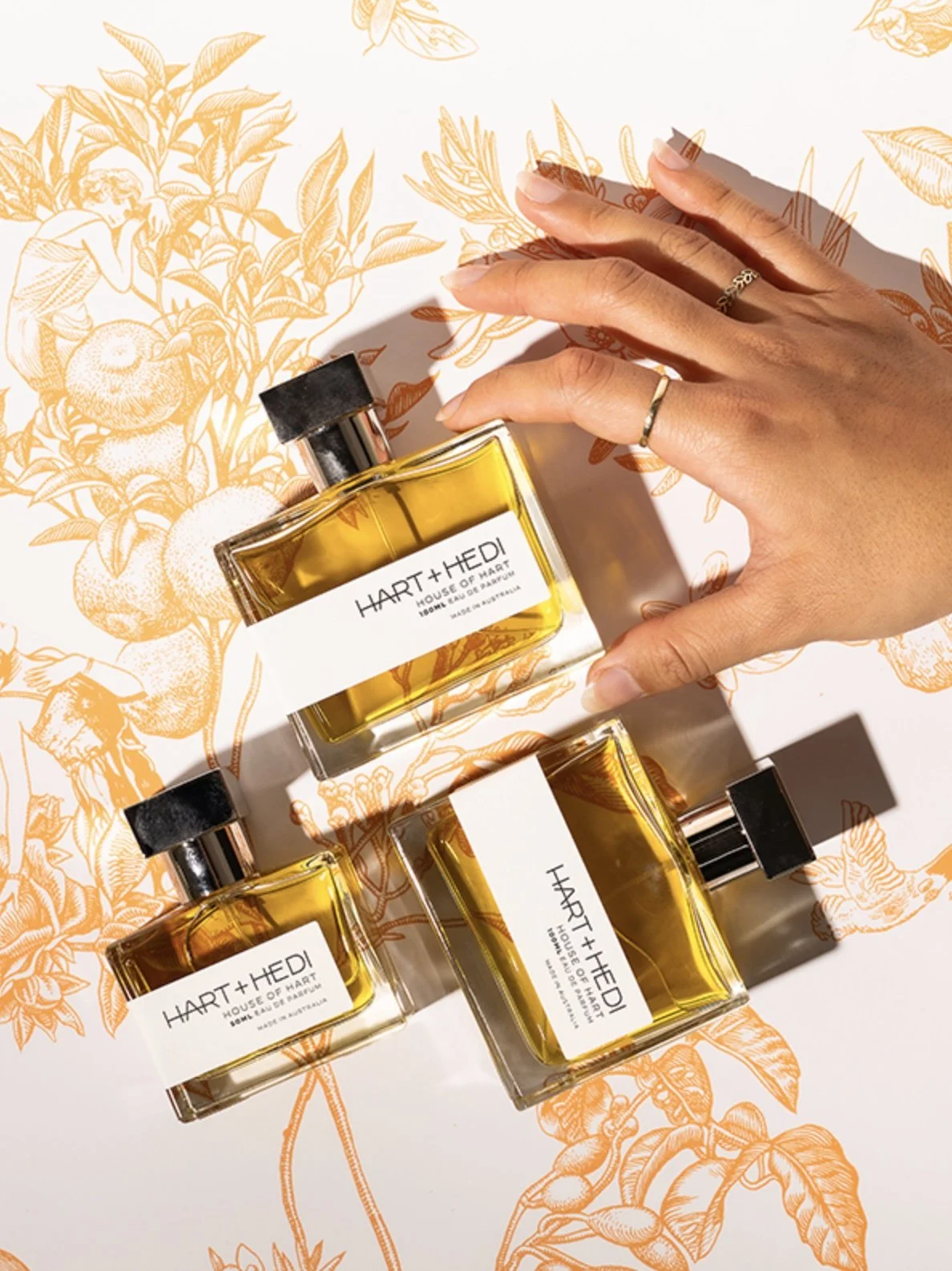
Fragrances from Sydney-based HART + HEDI
Advance Geelong Fragrance Fair
Australia has many unique characteristics which are helping to shape its independent perfume industry, from the internet democratising information and creating a demand from consumers for unique experiences, to its landscape and novel materials. But, as Saskia Wilson-Brown says, ‘the materials are important, but what we do with them is where the art lies.’
I’ve been lucky enough to meet a lot of incredible perfumers around the world and one thing many have privately said to me is how isolating it can feel. The Geelong Fragrance Fair brought together myriad perfumers from vastly different backgrounds: neuroscientists, florists, an ex-professional tennis player, chemistry graduates, graphic designers, vintners, and brewers, to name a few.
The Geelong Fragrance Fair, which will be back again in 2027, brought all of these people together, many meeting each other IRL for the first time. They shared their perspectives, problems, and solutions with each other and with the attendees, many of whom were other passionate fumeheads. As independent Australian perfumer Aysha Hansen said, ‘I’ve found my people.’
And that was the true strength I saw amongst this wildly diverse group of talented artists: the ecosystem they were building together. As HART + HEDI put it, ‘We are all in competition, but we’re not. It’s about building each other up.’
“‘If there is one thing pouring petrol on the Australian independent fragrance scene, it is their belief that what they are building, together, is good’
”
This shared knowledge base, access to resources, and enthusiasm for each other’s work is helping to build the plane as they fly it. The Aussies have the confidence and, now, the connections to do their own thing, to tell their own stories.
And that is part of a global consumer-led shift in where perfume gets made, who is allowed to make it, and who gets to decide what is good. If there is one thing pouring petrol on the Australian independent fragrance scene, it is their belief that what they are building, together, is good.
The tyranny of distance is dead. Long live the tyranny of distance. Or, as Saskia Wilson-Brown quipped: ‘Maybe France is experiencing a tyranny of distance from Australia!’
On The Scent would like to thank Anthony Gardiner for being our boots on the ground at a fair we’d love to have experienced ourselves. If you’d like to stay in the loop for 2027’s festival, the best way is to follow @olfactivesocietyinc, set up by Clare Presser of the incredibly enjoyable Paperback Perfumes podcast – which you can find here.
Follow Anthony Gardiner on Instagram @antsgardiner