
Jordi Fernández
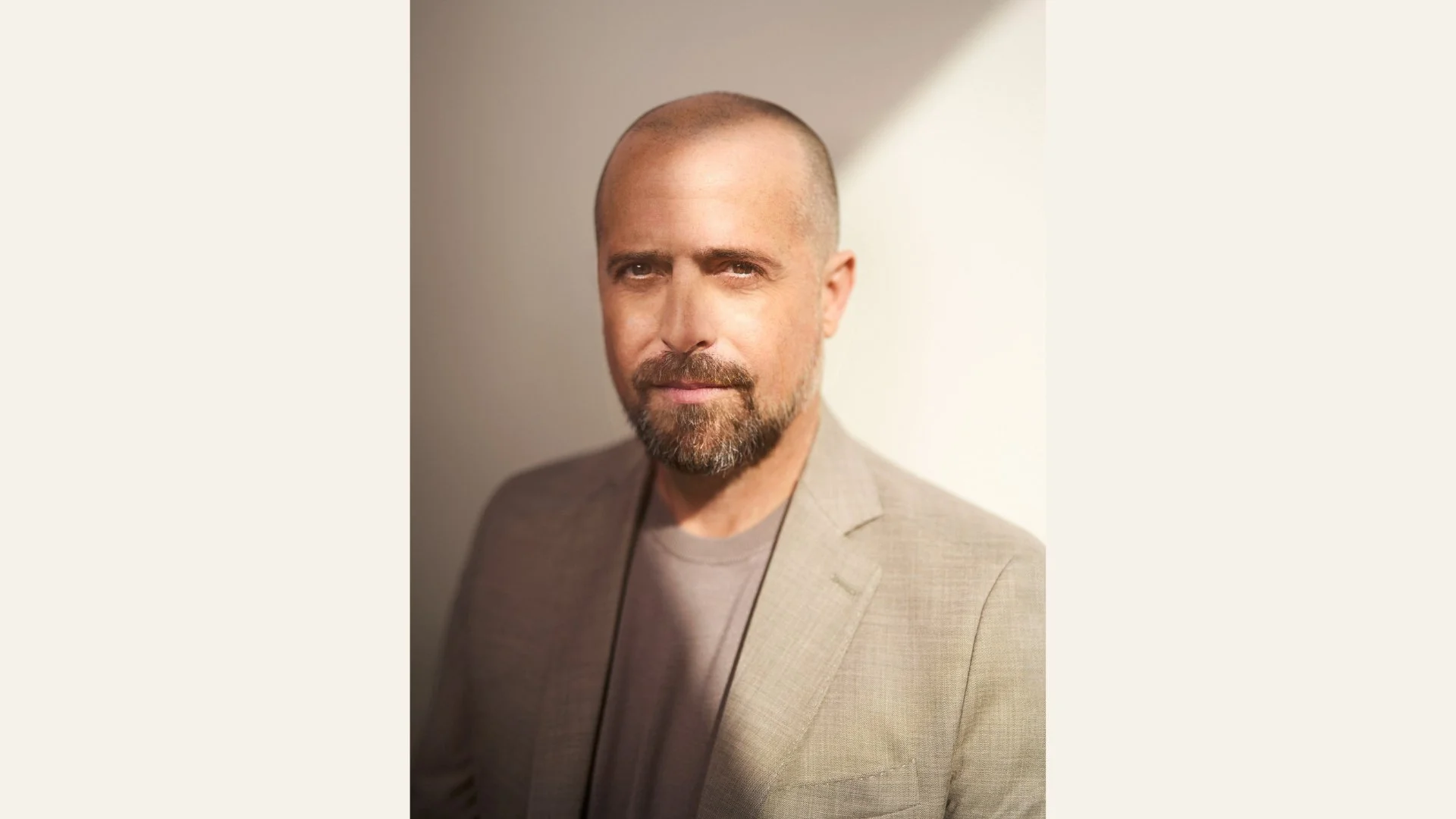
Unusually for a leading perfumer, Jordi Fernández is a self-taught nose. Since 2010, he’s worked for leading fragrance house Givaudan, jet-setting between Barcelona, Paris and Dubai. Here, he shares his inspirations and a window on his creative life
Rather than following the traditional, formal ISIPCA perfumery school path, Catalonian-born Jordi Fernández began his career journey at family-owned Eurofragrance in Barcelona, where he soon demonstrated talent and an understanding of fragrance science. Moving on to work at Givaudan, this highly versatile perfumer has worked with luxury brands including Montblanc, Versace and Carolina Herrera, collaborating closely with Givaudan’s technical teams.
Through immersing himself in Middle Eastern culture, Jordi has gained deep insights into the region’s traditions and olfactory passions, weaving intricate and culturally resonant scents, earning the unofficial title, ‘The Master of Oud’. ‘I love its complex personality,’ he says. ‘As soon as you add a tiny amount to a fragrance, it unfolds a rich, animalic depth.’
“‘Perfumery is a dynamic and ever-evolving journey that requires dedication, hard work, and a touch of visionary creativity’”
When does your day start?
It begins early as I am an early riser and a morning person. I typically arrive at the office around 8 a.m. to start my day. I don’t have breakfast; I just like to have a quick coffee because I believe that starting the day right – with a caffeine boost – sets the tone for a productive and creative day ahead. Then, I dive into the previous day's creations and work on new formulas, testing them on skin.
Where do you work?
In Barcelona, I have a dedicated lab, where I immerse myself in the process of developing and refining fragrances. It's a creative space where I have access to a wide range of raw materials and equipment. The lab provides a focused and inspiring environment for me to experiment and bring my olfactory visions to life.
I also work from my offices in Dubai and Paris, where I collaborate with colleagues, attend meetings and engage in various aspects of the perfumery profession, including evaluation and marketing. It’s a dynamic and bustling atmosphere, where ideas are shared and projects are discussed.
Although I primarily work independently as a perfumer, I also have the opportunity to collaborate with a team of professionals, including lab assistants who support me in different aspects of my work. Overall, this combination – a dedicated lab in Barcelona, offices in Paris and Dubai – lets me embrace the unique challenges and excitement of the perfumery profession. It's a dynamic and ever-evolving journey that requires dedication, hard work, and a touch of visionary creativity.
How does your day break down?
As a morning person I love to dive deep, first thing, into the creative process and evaluate the trials from the previous day. But even if I have ‘official’ working hours – let’s say 8 a.m. to 6 p.m. at the office – the workday never truly ends for me. Inspiration can strike at any moment and in any location. Even during my drive home from work at the end of the day, I can still sense the lingering scent of the trials on my skin.
How many fragrances might you be working on at any one time?
Let’s just say several. All of them are at a different stage of development, from the creation of strong accords to final touches. But with the advancements in technology, such as CARTO (Computer-Assisted Perfume Optimization), launched by Givaudan, we are now able to create even more formulas in a single day. This has significantly increased our productivity as perfumers and allows us to easily to work on multiple projects simultaneously.
How do you work?
I write my ideas on paper as they can come anytime, via many sources of inspiration. The concept and creative process starts to take shape when I select the initial ingredients to build the formula.
While I create that initial formula, I work closely with the lab team to bring it to life. They help me with the practical aspects of mixing and blending the ingredients, ensuring that the fragrance is accurately and precisely formulated. We explore different combinations, make adjustments, and fine-tune until we achieve the desired result. It's truly collaborative, requiring both creativity and technical expertise.
“‘Colours, textures, and images on a moodboard inspire and guide me in selecting raw materials’”
What kind of other inspirations do you look for, during your day?
Everything inspires me, but for me, one of my most important inspirations is nature – perhaps trying to create a perfume that reflects the sea breeze in summer or spring, or capturing the essence of the Middle East when the sun sets over the dunes. But also my feelings, my most personal thoughts, or the reflection of people in current times. And travel; I love to experience different cultures and meet new people.
Do you break for lunch – or eat at your desk?
I have a light lunch and typically don’t take a long break. I prefer to eat at my desk, unless there are specific events or lunch meetings going on. It allows me to stay focused. The afternoon session is an important part of our creative process, as it allows us to review and analyse the formulas that were developed earlier in the day. We carefully evaluate scent profile, longevity, overall performance, continuously striving for excellence.
Do you continue to think about the fragrances when you get home?
While there may not be a fixed time when I go home, perfumery has become a way of life for me. It's not a job that ends at a specific hour; it's a continuous journey of creativity and exploration.
Even after leaving the lab or office, fragrances continue to captivate my thoughts. I find myself constantly inspired by the scents around me, whether it's the blooming flowers in a garden or the aromatic spices in a bustling market. Fragrances have a way of weaving themselves into my everyday life, and I often find myself contemplating new ideas and compositions outside of working hours.
Do you need to be in a particular mood, to create?
Not necessarily; while emotions are certainly linked to our work, I personally don't rely on a particular mood. But having said that, sometimes, when I feel happy and confident, there is a certain flow and ease in my work, as if the ideas come naturally and effortlessly. It’s important to note that creativity cannot be commanded or forced, though. It often happens spontaneously, and I can’t explain the exact process behind it.
Is a moodboard helpful to you?
A moodboard plays a crucial role in setting the direction: a visual representation of the idea and concept behind a fragrance. It helps to better understand the desired mood, atmosphere, and aesthetic that the perfume should evoke, helping me to align my creative vision with the expectations and desires of the project. The colors, textures, and images on the moodboard inspire and guide me in selecting the raw materials that will bring the fragrance to life; different scents can evoke specific emotions or capture the essence of a particular visual theme.
You’ve worked a lot with Thibaud Crivelli on the fragrances for Maison Crivelli – tell us about that process…
One of the aspects I appreciate most about our collaboration is the freedom we have in the creative process. We have a natural communication and understanding, and share a deep passion for perfumery. The creation for Maison Crivelli’s Oud Trilogy, for instance, involved a multi-sensory approach, starting with a moodboard from Thibault, consisting of images, videos, sounds, and descriptions of food or people he has encountered. Together, we worked closely to bring these multi-sensorial facets to life in fragrant form.
Through this collaboration with Thibault, I spend time with him to truly understand him and his experiences – for instance example, Oud Cadenza captured the essence of a hidden party in the heart of a Palm grove at dusk. To recreate the atmosphere and joyful spirit of this festival, with its magical ambiance, we were inspired to work with delightful notes of caramelised dates, roasted almonds, vanilla, and oudh smoke.
How long does it take from concept to finished fragrance, in general? It’s common for development to take several months, which allows for thorough exploration of different scent combinations, testing, and adjustments to achieve the desired olfactory profile. But there are instances where a fragrance needs to be created within a shorter timeframe – and in reality, that can happen within a matter of days or weeks.
What is the greatest number of modifications you’ve ever had to do, on a fragrance? And the least?
It can go from a very low number of modifications to hundreds of modifications. One of the most difficult parts of the creation process is deciding when to stop and consider the fragrance to be finished.
How many materials do you have at your fingertips, to work with? And how many tend to be in your regular palette?
Around 800, ranging from natural ingredients like flowers, fruits, and spices to synthetic molecules that offer a wide range of olfactory possibilities. My regular palette is a more curated selection of notes that I use frequently, such as patchouli. For me, it reflects the power of the earth, the power of the world, which is transmitted through perfumes. But I also love all citrus notes, like seeing the open day with the sun reflected in the sea, and I have a fondness for resins and for the Middle Eastern ingredients.
How much of your time is spent on your own work – creating new accords, etc.?
As often as I can, I try to dedicate time to creating new accords and working with materials. This collaboration between perfumers and scientists is crucial in our industry. They develop ideas for new molecules that can be produced synthetically, taking into consideration the importance of environmental sustainability, but the process of creating these new accords and learning to work with them takes a lot of research and experimentation.
What is the one fragrance you wish you had created?
There are thousands of fragrances that I would have liked to create, but top of the list are Dior Fahrenheit by Dior and Clinique Aromatics Elixir.