
What’s trending in scent? A report from perfume’s front line
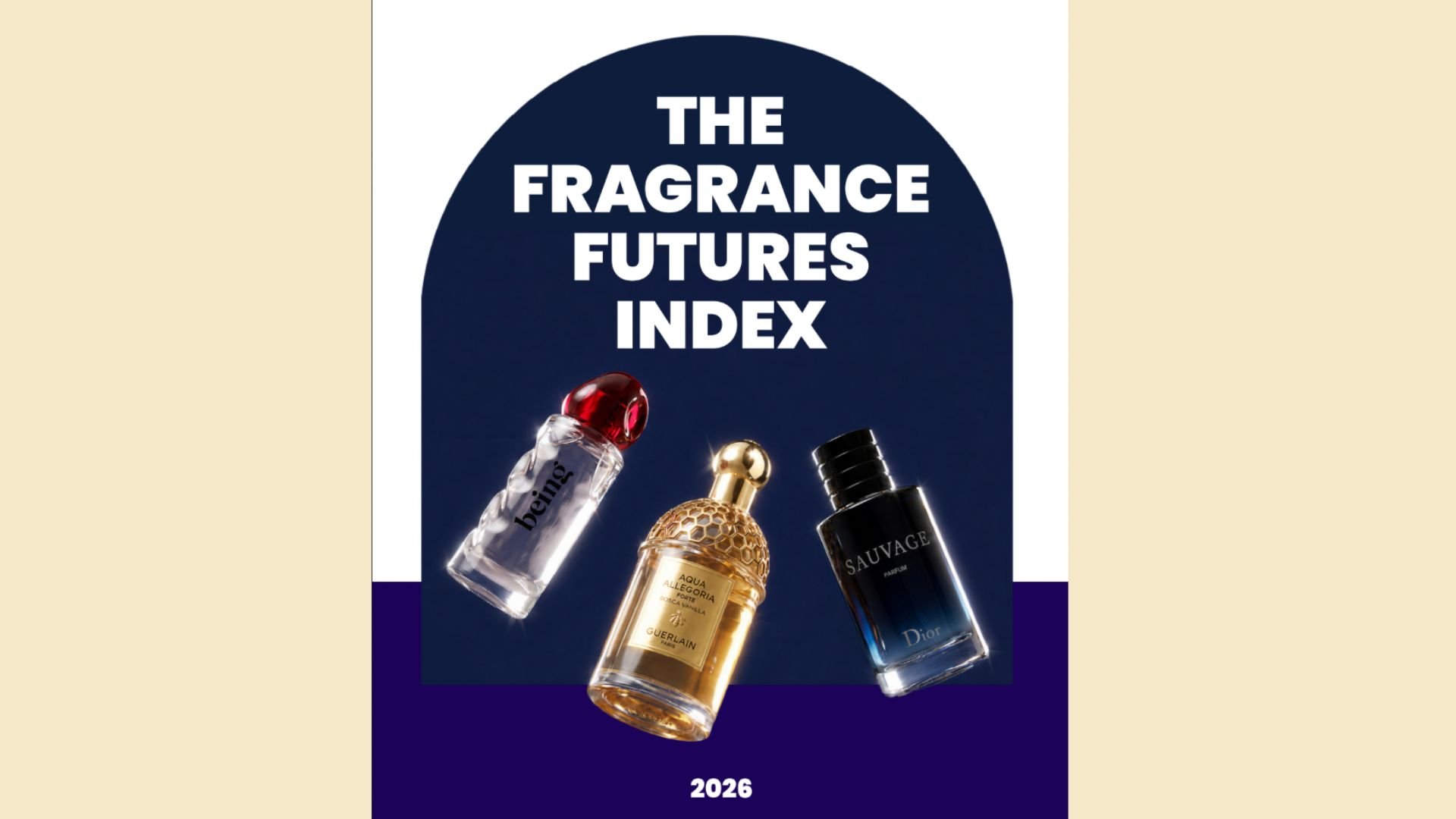
This week, we attended a breakfast event for The Fragrance Futures Index, hosted by The Fragrance Shop and CPL Aromas, the first of what promises to be a twice-yearly event sharing insights into what’s pushing perfume-lovers’ buttons. We were riveted. And we thought you might be, too, writes JO FAIRLEY
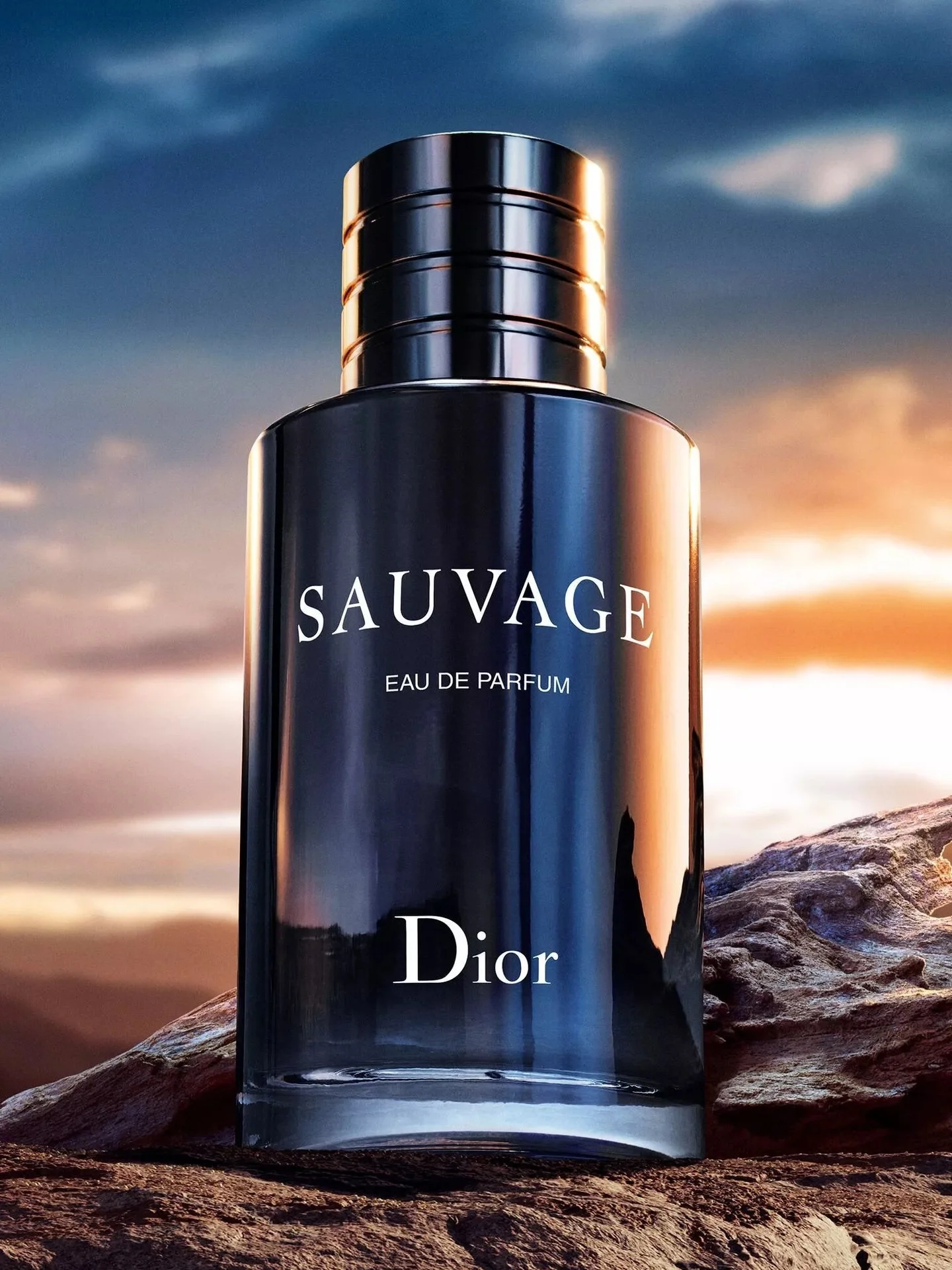
Dior Sauvage – a bestseller at The Fragrance Shop, referenced several times by the panel
We know the scent landscape is changing fast. That’s why we launched this website, and our On The Scent Magazine, as a reflection of the surging interest in all things fragrant. For us, it’s based on instinct and years of experience – but it was fascinating to hear that echoed by data-driven research and consumer insights from Britain’s biggest specialist fragrance retailer.
They’d pulled together a panel of five experts from across the industry – including CPL Aromas’ Senior Perfumer Jean-Charles Mignon and Senior Account Manager Tia O’Neill, content creator Jimi Oketunji (@aromajayy), Parfums Christian Dior Training Manager Carl Groenewald and The Fragrance Shop’s Customer & Marketing Director Lisa Crossley – to share their thoughts on how we shop, why we shop, what we’re buying. (And what we’re going to be buying.)
We’re moving from ‘viral scent’ to ‘personal system’. What that means: a shift away from owning one bottle of a signature scent to a scent wardrobe – including travel sizes, samples, oils, mists and ‘layering rituals’. (Although we’re pretty sure that if you follow what we do, you are not a ‘signature scent’ wearer, but are pondering and keenly anticipating your next purchase… or three.)
Gourmand is evolving – from sweetness to texture. In other words: while we still love gourmand fragrances (and we do!), we’re shifting from scents overdosed with sugar, drawn towards cream, smoke, softness, tonka, toasted nuts, rice and lactonic (milky) softness.
There’s a new language – and it isn’t about fragrance families. What we’ve identified ourselves at On The Scent Media is that the old categorisation – Chypre, fougère, floral-ambrée etc. – has been rendered meaningless, with perfume-lovers keen to know a fragrance’s ‘mood’, either to enhance how they feel right now, or shift the dial to where they want their mood to be. (That’s how we categorise all the fragrances we share with you.) This looks set to become the new industry standard, with stores seeking new ways to group fragrances by mood, rather than simply by brand, as they do now.
Everyone wants to layer. They just don’t have the confidence to do it. Expect fragrance consultants (especially those at TFS, who commissioned this report) to do a lot more hand-holding when it comes to sharing with customers that soft musks, white florals and transparent citrus can ‘add wearability and daytime polish’, for instance, or how to layer fragrance that it ‘connects scent to outfit, context and identity.’ (Although our take on layering is quite simply that if you layer two – maybe more – fragrances you love, chances are strong they will naturally complement each other.)
We’re going to be wearing more water-based scents. When Officine Universelle Buly first showed us water-based fragrances, a few years back, we didn’t really believe they’d take off. We were wrong – and as CPL Aromas’ patented innovative AromaHydro technology is adopted by more and more fragrance brands, delivering a strength and longevity that rivals alcohol-based perfumes, while preserving their olfactory structure, we are looking forward to a tide of water-based scent launches.
Longevity matters. Most of us want fragrances that linger on the skin for much, much longer than it takes to walk from dressing table to front door. Meanwhile, TikTok and YouTube are filled with reviews deploying the term ‘Beast Mode’ to indicate a scent’s all-important power of projection. (Back in the day, the phrase ‘room rocker’ conveyed the same sense of strength.) But sometimes, more isn’t more. As the report puts it, we’re moving towards wanting fragrance that is ‘strong enough for the right moment, polished enough for the right room.’
Beyond this, the report acknowledges there’s a job to be done by fragrance retailers, explaining to scent-shoppers that while a fragrance may come in many different concentrations – eau de toilette, eau de parfum, elixir and more – they’re not just ramped-up concentrations, but tend to be subtly reworked around the same scent DNA, for each version.
Most of us understand fragrance’s impact on our emotions. Now it’s official. More and more research is being done via brain mapping into the connection between fragrance and emotion, including physiology, mood and behaviour. No flash-in-the-pan, wellness fragrance is a category that is set to grow and flourish. (And in a crazy, stressful world, that’s so welcome.)
There’s more. Much more. (And we are already looking forward to autumn’s round-up report.) But ultimately, The Fragrance Shop and CPL Aromas conclude: ‘The Fragrance Futures Index 2026 reveals why the next era of scent will be personal, layered, emotional and more technically advanced. The next era of fragrance will be won by those who can connect emotion to evidence. The consumer wants joy, comfort, individuality, performance, discovery, intimacy, novelty and trust. They want to play, but they also want to understand. They want what is trending, but not to smell identical. They want more bottles, but also better reasons. They want innovation, but they need language to believe it.’
And we’re here – literally – for all of that.